Lenta®

How an object is made (four chapters) it takes:

One lifetime

We choose a stone for its faults.
Where
Upper Soča valley, an abandoned limestone cut
We look for
A seam, a soft vein, a fault line
We refuse
Anything already beautiful
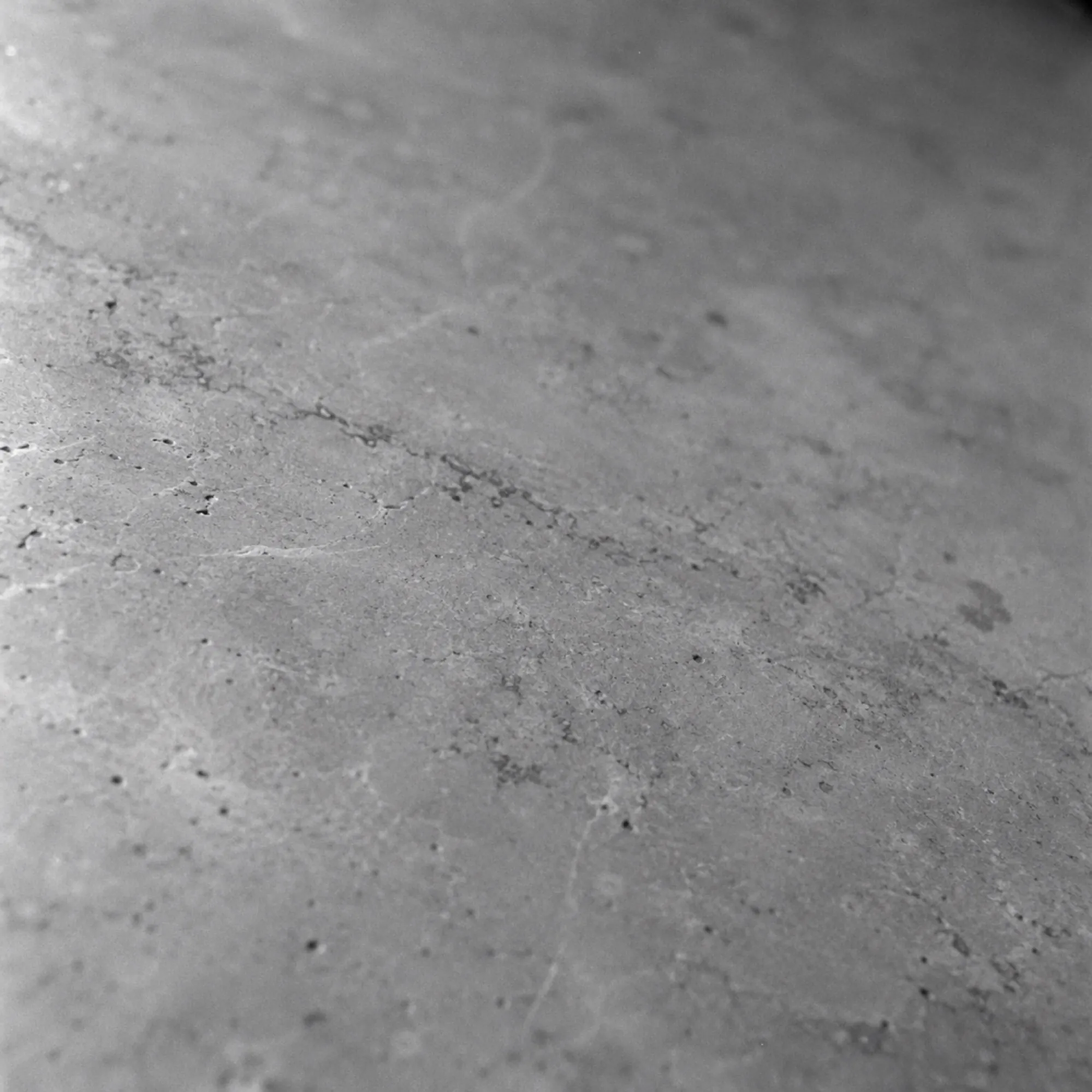
Fig. 1 — Limestone, as it left the cut
Raw limestone surface, unworked, crossed by a pale seam

We place it where the current folds back on itself.

Placed
Where the water turns and slows
Reaches
The shallows, the long bend, the falls, the black pool
Logged
Depth, angle, date, the colour of the water
Fig. 2 — Reach II, the long bend, from above
A pale stone seen from above, lying in clear, shallow river water

Then we wait. Eleven years. Forty-three. Nobody hurries a river.

Each spring
We visit, measure, photograph
We never
Touch the stone
On average
33 years in the water
Fig. 3 — Seven stones, 1958 — today

We lift it only when the river says so.

The sign
The water runs quiet over it
When
Low water, late August, before the rains
After
One year drying in the dark before it is lent
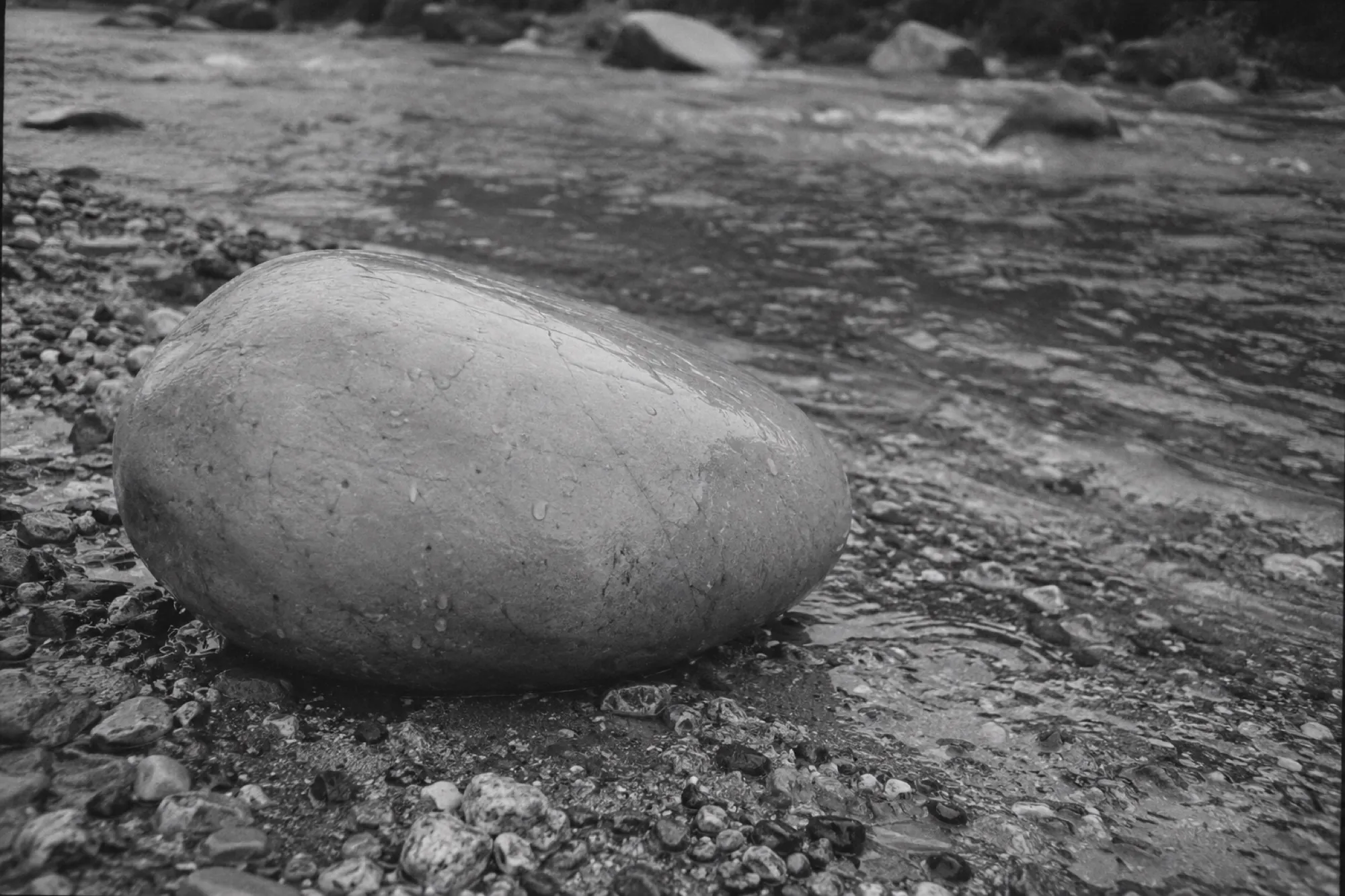
Fig. 4 — Lifted, resting on the gravel bank
A finished stone resting on a wet gravel bank

(Scroll)

No

Slow form is not a style. It is a duration — the distance between the day a stone goes into the water and the day it comes out.

We have never drawn an object before it existed. The river draws. We keep the dates, and we keep out of the way.

Some stones are finished in eleven winters. Some will outlive us. That is not a problem to solve; it is the whole of the work.

Everything here is lent, never sold. An object is a date you borrow for a while, then give back to the people who come after.

Hurry

03Process — No Hurry1958–2026

It isn’t finished until the river says so.

See what the river finished

No. 007 Pilgrim, granite — in the river since 2003